Instagram Story Viewer Order: What It Really Means (2026)
You post a story, glance at the viewer list a few hours later, and notice a particular person sitting near the top. Maybe they always show up near the top. Naturally, your brain starts to fill in the blanks — they must be obsessing over your profile, checking every day, maybe watching repeatedly.
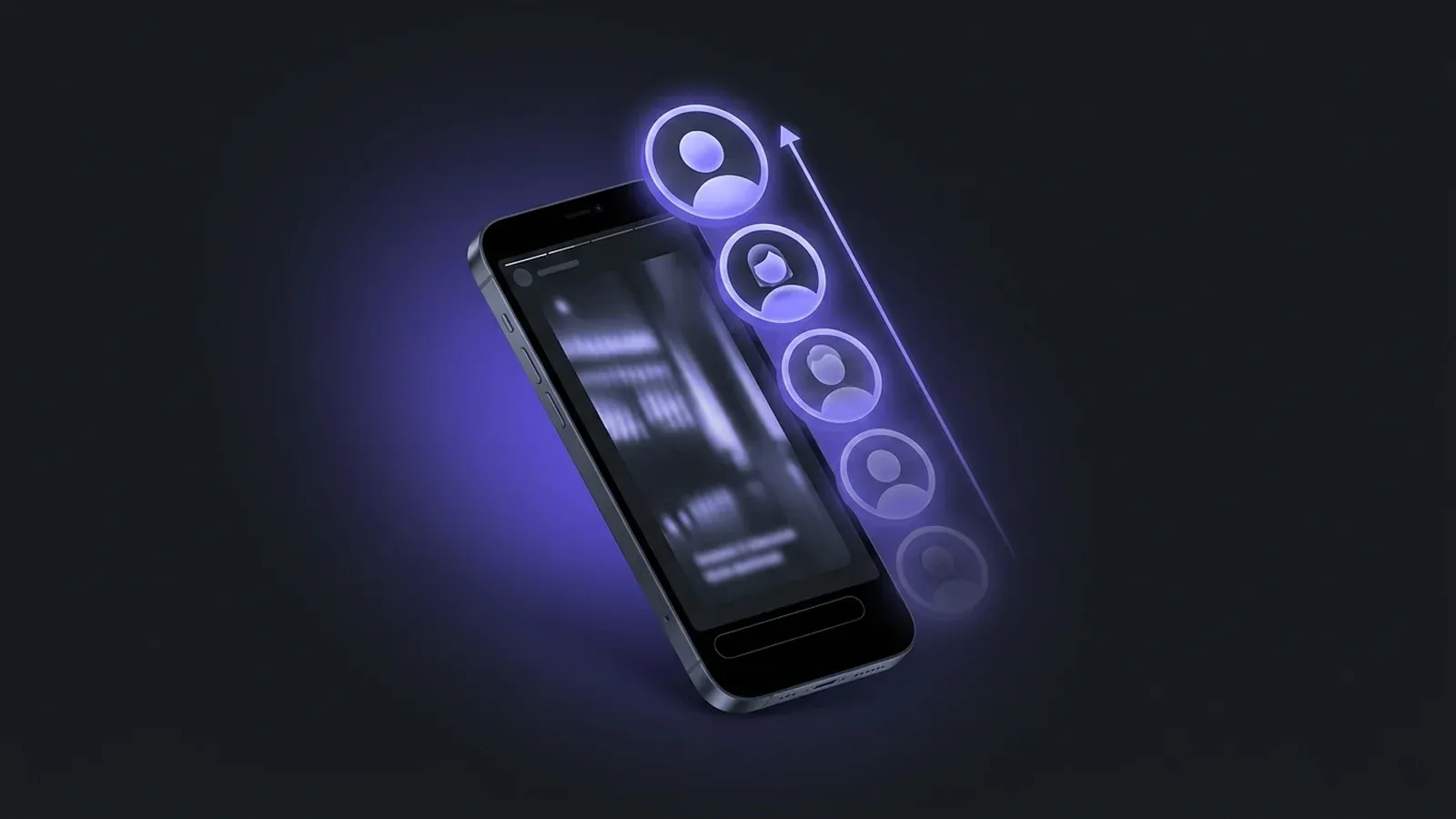
Almost certainly, that’s not what the viewer order means. Instagram’s viewer list is not a ranking of who watches you most, who checks your profile most, or who is most invested in your life. It’s driven by an engagement-based algorithm, and once you understand what it’s actually measuring, the whole thing becomes a lot less dramatic.
The Short Answer: It’s Not Chronological
Early in Instagram’s history, story viewer lists were chronological — the first person to view your story appeared first, and so on down the line. That changed as Instagram scaled. Once any given story started collecting dozens or hundreds of views, a simple timestamp list became less useful. Instagram switched to an algorithmic ranking, and that’s what you see today.
The order you see in your viewer list is not a record of when people watched. It’s Instagram’s attempt to surface the people you’re most likely to care about at the top. That’s an important distinction: the algorithm is trying to be helpful to you as the story poster, not to give you a surveillance report on your audience.
What Signals Does Instagram Use?
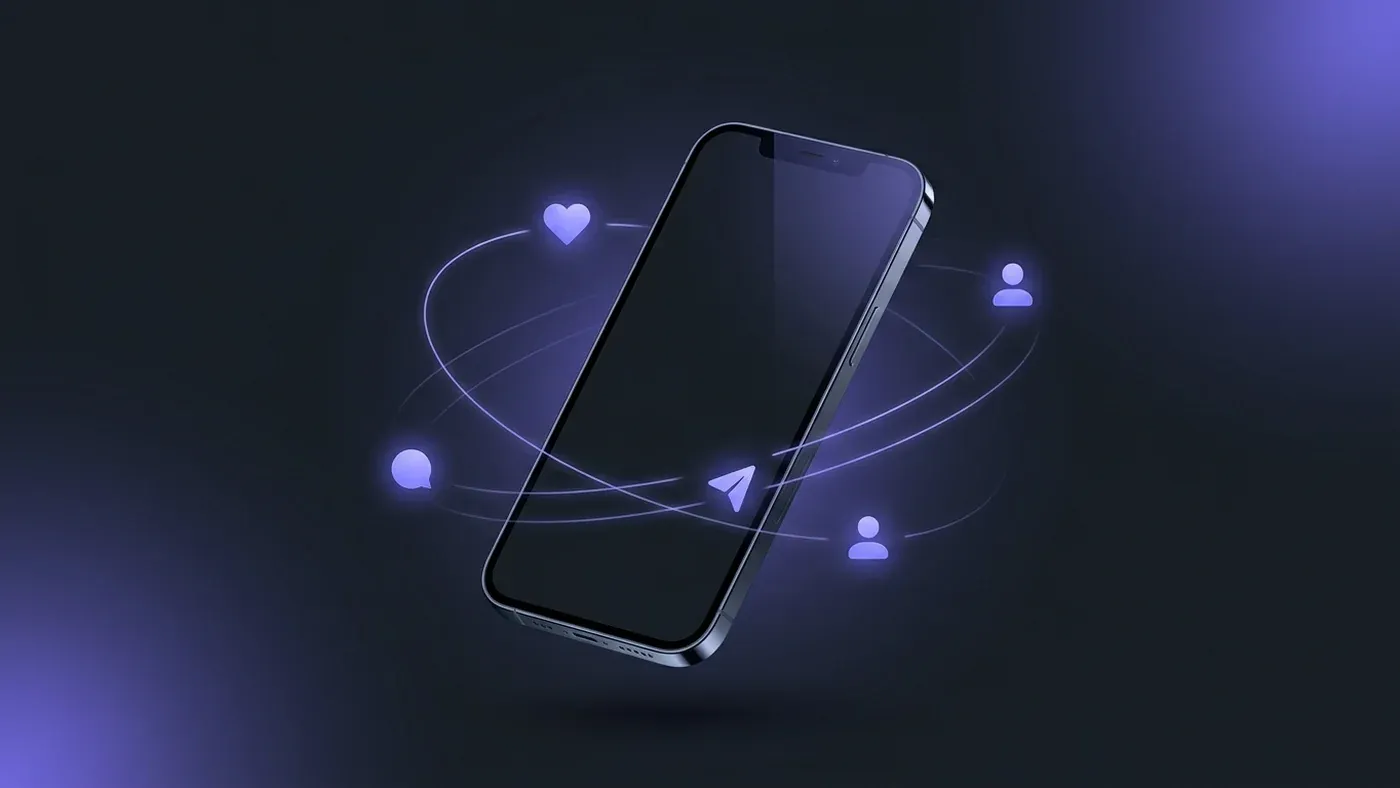
Instagram has never published a detailed breakdown of how story viewer ranking works, but the picture that has emerged from the platform’s own statements and consistent user observations over the years points to a handful of engagement signals:
Direct interactions. Likes on your posts, comments, replies to your stories, and direct messages all factor in. People who interact with you frequently tend to appear higher in your viewer list. This is the single strongest signal — active two-way communication between two accounts.
Profile visits. When someone visits your profile page directly (not just encountering your content in their feed), that registers as interest. It’s weaker than a like or comment, but it does count.
Story replies. Replying to someone’s story sends a direct message, which is a strong interaction signal. People who reply to your stories regularly are likely to sit higher in your viewer list.
General feed engagement. How often someone interacts with your regular posts — double-tapping photos, pausing on Reels, saving posts — contributes to Instagram’s overall model of how interested that person is in your content.
Mutual engagement. The relationship goes both ways. If you frequently interact with someone’s content, that also influences where they appear in your list. Instagram is looking at the relationship between two accounts, not just traffic in one direction.
None of these signals are measured in real time for individual stories. The order reflects an ongoing model Instagram has built about the relationship between accounts, updated continuously as interactions happen.
Does Viewer Order Mean Someone Is Stalking You?
No. This is the most persistent myth about story viewer order, and it’s worth being unambiguous: appearing at the top of your viewer list is not evidence that someone is visiting your profile repeatedly or obsessively monitoring your content.
A person could appear at the top of your list because they follow a lot of accounts and your story happened to load automatically in their feed — they might not have even actively tapped to open it. The converse is also true: someone who has genuinely gone out of their way to visit your profile and watch your story might appear much lower in the list simply because they don’t interact with your other content.
Profile view counts and story viewer identity are entirely separate systems. Instagram does not tell you how many times a specific person has visited your profile, and the story viewer list is not a proxy for that information.
Does It Change Over Time?
Yes, consistently. As engagement patterns shift between two accounts, the viewer order adjusts. A person who was a frequent commenter might go quiet for a month and gradually slide lower in your viewer list. Someone you start interacting with more will drift upward.
The order also responds to real-time story views within the first 50 or so views. For very small audiences, the list starts out roughly chronological and transitions to algorithmic as more views come in. If your story has only three viewers, you’ll see something close to the order in which they watched. At fifty views, the algorithm has enough data to sort by engagement signals, and chronological order becomes irrelevant.
Can You See Who Views Most? (Third-Party Apps?)
No third-party app can tell you how many times a specific person has viewed your story or visited your profile. Apps that claim to reveal “who stalks your Instagram” or “who views your profile most” are, without exception, fabricating that data. Instagram’s API does not expose view counts per viewer, profile visit data, or any ranked engagement metrics at the individual level. Any app making those claims is either showing you random usernames or working from data entirely unrelated to real Instagram activity.
It’s worth being specific about what legitimate anonymous story viewer tools actually do, because there is genuine confusion in this space. A tool like the IncoStory Online Viewer does something categorically different: it lets you watch someone else’s public stories without your own username appearing in their viewer list. That’s about your viewing behavior, not about analyzing someone else’s. It doesn’t claim to tell you who watches your stories or who visits your profile — it isn’t built for that and couldn’t do it even if it tried.
How to Influence Your Own Visibility
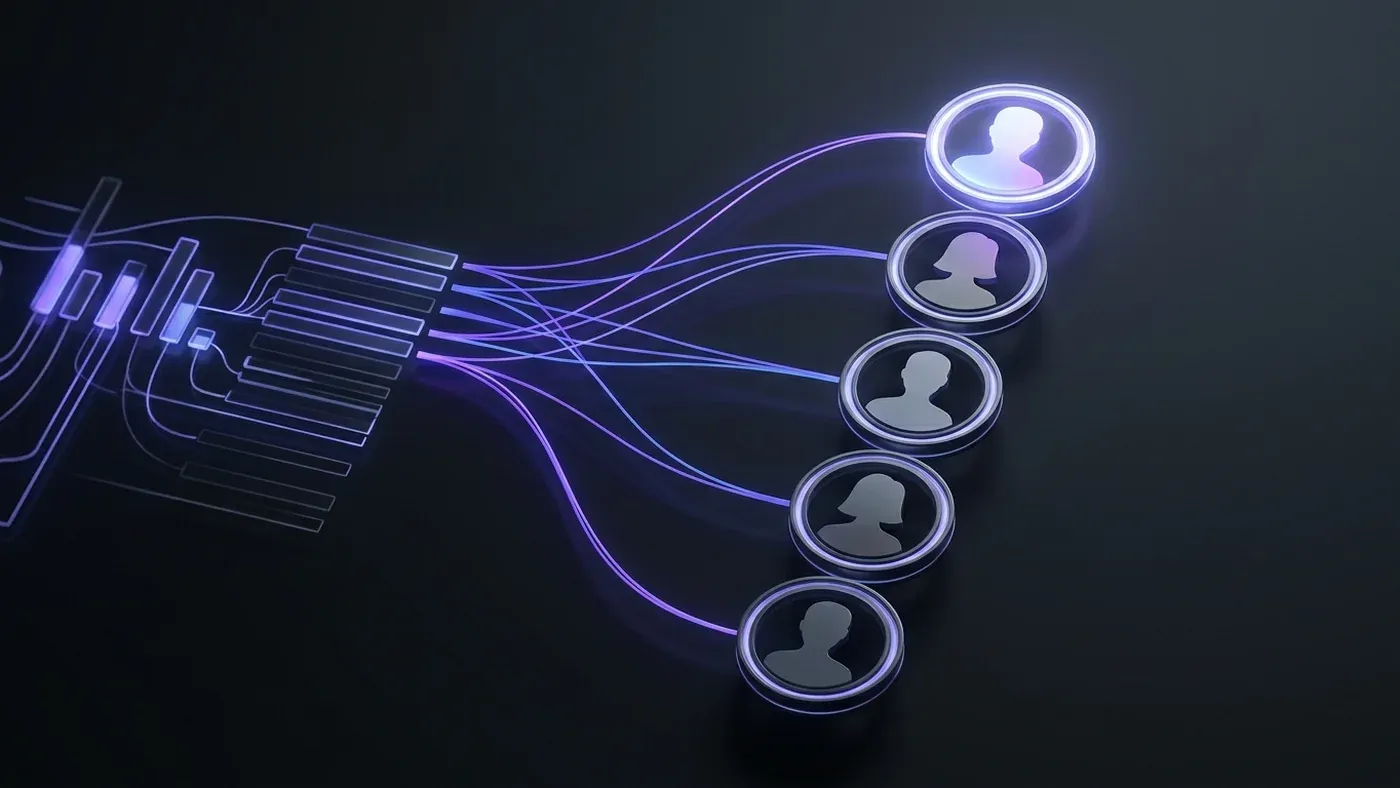
If you want to appear higher in someone else’s story viewer list — say, you’re trying to stay visible to a business contact or a creator you collaborate with — the mechanism is the same as what the algorithm tracks: active engagement.
Like their posts when you genuinely enjoy them. Reply to their stories. Respond to their messages. If they have a close friends list and you make it onto it, that’s a signal of a strong relationship and will influence your position in their list as well.
The reverse is equally true. If you stop engaging with someone’s content entirely, you’ll drift down in their list over time. Instagram’s model is based on current and recent interaction patterns, not historical ones. Old engagement decays.
FAQ
Why does someone I barely know keep appearing near the top of my viewer list?
The algorithm doesn’t always behave intuitively. Mutual follows, recent interactions, or even how Instagram has categorized your interests relative to theirs can all push someone higher. It doesn’t mean they’re actively monitoring you.
Why do some people drop off my viewer list entirely?
Viewer lists cap at a certain number of displayed entries. If your story had 500 views, you won’t see all 500 — Instagram shows a subset. People who haven’t interacted with your content recently may not appear on the visible portion of the list even if they watched.
Does watching someone’s story affect where I appear in their viewer list?
Yes, but modestly. Story views are a weaker signal than likes, comments, or direct messages. Watching someone’s story contributes to the engagement model, but a pattern of story-watching without other interaction won’t necessarily push you to the top of their list.
Can businesses see more detailed viewer data than personal accounts?
Instagram’s native analytics for business and creator accounts show aggregate story metrics — total reach, exits, replies, link clicks — but not per-viewer engagement breakdowns. Businesses see the same viewer list as everyone else.
Does story viewer order differ on the Instagram website versus the app?
The viewer data itself is the same — the underlying algorithm doesn’t change. Display differences are possible between the web interface and the mobile app, but the ranking logic is consistent.
The viewer list is a tool for understanding your overall audience, not a map of individual behaviors. If you’re looking at it trying to decode what specific people are doing, you’re reading the wrong signal. For a broader look at how anonymous Instagram viewing works — from the other side of the equation — the guide on the best methods to view stories anonymously is worth reading alongside this one. And if you want to see someone’s Highlights without triggering any activity on their end, the anonymous Highlights viewing guide covers exactly that.
View Instagram Stories Anonymously
Right in your browser, no login needed. Or get the app for unlimited viewing and downloads.
★ 4.9 · 250K+ users